
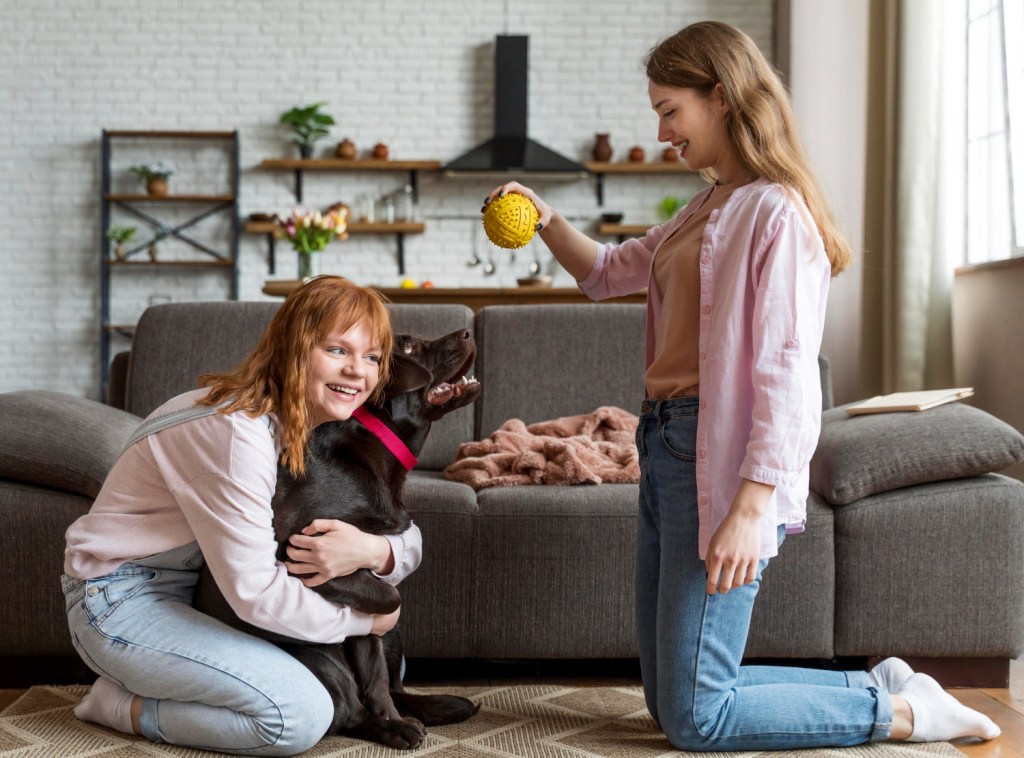
The Importance of Teaching Kids About Crate Safety
When children understand and respect a dog’s crate as a personal sanctuary, they create the foundation for a lifetime of safe, meaningful relationships with pets. Teaching kids about crate safety isn’t just about preventing accidents—it’s about nurturing empathy, responsibility, and mutual trust between young family members and their four-legged companions.
Dogs naturally seek secure spaces where they can decompress, rest, and feel protected from overstimulation. A crate serves as their personal bedroom, a retreat where they should never feel cornered or anxious. When children learn to honor this boundary, they demonstrate respect for their pet’s emotional and physical well-being while protecting themselves from potential stress-related reactions.
The safety benefits extend far beyond your immediate household. Children who master these early lessons about respecting a dog’s space develop crucial skills for interacting with unfamiliar animals throughout their lives. They learn to read canine body language, understand when a dog needs distance, and approach all pets with thoughtful consideration rather than impulsive excitement.
This education also strengthens the human-animal bond in remarkable ways. Dogs who feel secure in their designated space are more likely to emerge calm, confident, and ready for positive interactions. Children who consistently respect these boundaries earn their pet’s trust, creating deeper connections built on mutual understanding rather than fear or uncertainty. As many families discover in successful dog adoption stories, a properly respected crate becomes the cornerstone of a harmonious household.
The long-term value of this foundation cannot be overstated. Families who prioritize crate training tips and teaching kids dog safety from the beginning often find that their homes become havens of harmony, where both children and pets thrive together. This investment in education pays dividends in reduced stress, fewer behavioral issues, and the peace of mind that comes from knowing everyone in your household feels safe and respected.
Explaining the Concept of a Safe Space to Children
Just like children need their own bedrooms or a quiet corner to retreat when feeling overwhelmed, dogs require a designated safe space where they can relax without interruption. Children naturally understand the comfort of having their own special place, making this an excellent starting point for teaching crate training kids safety concepts. When kids grasp that their dog’s crate serves the same purpose as their favorite hideout or cozy reading nook, they begin to develop genuine respect for these important boundaries.
Here are proven strategies for explaining the crate concept to children:
Use familiar comparisons by saying, “This is Buddy’s bedroom, just like you have your own room where you keep your treasures and feel most comfortable.” This simple analogy helps children immediately understand why the space matters.
Demonstrate calm behavior around the crate yourself. Children mirror what they see, so show them how to speak softly and move gently when near the dog’s space. Your actions teach louder than your words.
Establish clear “do not disturb” rules with simple phrases like, “When Buddy goes into his crate, it means he needs quiet time, just like when you need alone time.” Keep the language straightforward and relatable.
Create positive associations by letting children help place special toys or blankets in the crate. As they participate, explain, “We’re making Buddy’s space extra cozy and safe.” This involvement builds understanding through hands-on experience.
Practice respectful interactions by teaching children to never reach into the crate or call the dog out when he’s resting inside. Make this a firm, non-negotiable rule that everyone follows.
For dogs experiencing stress or nervousness, a properly respected crate becomes even more crucial for managing anxiety and promoting emotional well-being.
Consistency and patience are your best tools when teaching these concepts. Children learn through repetition and gentle correction, so expect to reinforce these lessons regularly. When kids truly understand that respecting their dog’s safe space protects both their furry friend’s emotional needs and their own safety, they develop the foundation for lifelong responsible pet ownership.
Setting Boundaries and Rules for Interacting with a Crate
Establishing clear boundaries around your dog’s crate creates a foundation for successful crate training kids safety while protecting both your children and your pet. When children understand and follow consistent rules about crate interaction, they develop respect for their dog’s personal space and learn valuable lessons about consent and boundaries that extend far beyond pet care.
Every family should implement these fundamental rules to ensure safe and respectful crate interactions:
Never disturb a sleeping or resting dog in their crate. Dogs need uninterrupted rest in their safe space, and startling a sleeping dog can lead to defensive reactions that put children at risk. Think of the crate like your child’s bedroom—it’s a place where they can relax without interruption.
Always ask an adult before approaching the crate area. This rule ensures supervision during interactions and teaches children to consider the dog’s current mood and needs. Adults can read canine body language and determine whether it’s an appropriate time for interaction.
Keep fingers, toys, and food away from the crate when the dog is inside. Reaching into the crate can trigger resource guarding behaviors or cause anxiety, disrupting the calm environment your dog needs. The crate should remain a space free from external interference.
Speak quietly and move slowly around the crate. Loud noises and sudden movements can create stress and make the crate feel less secure. Encourage children to use their “library voices” when walking past their dog’s retreat.
Respect “crate time” as the dog’s private time. Teaching children that crate time means “hands off” helps establish the space as truly separate from play or training activities. This boundary creates genuine safety for your dog.
| Safe Behaviors | Behaviors to Avoid |
|---|---|
| Walking quietly past the crate | Running or playing loudly near the crate |
| Waiting for the dog to exit before interaction | Opening the crate door without permission |
| Speaking in calm, soft tones nearby | Calling the dog’s name repeatedly while crated |
| Giving the dog space to enter voluntarily | Forcing or coaxing the dog into the crate |
These foundational principles connect directly to broader crate training success strategies that benefit your entire household. Consistent enforcement of these rules builds lasting respect for your dog’s safe space while teaching children valuable lessons about empathy and responsibility that will serve them throughout their lives with pets.
Choosing the Right Dog Crate for Peace of Mind
Selecting the right crate forms the foundation of successful crate training kids safety, creating a secure environment where your dog feels protected and children learn to respect important boundaries. A well-built, thoughtfully designed crate serves dual purposes: it becomes your dog’s trusted sanctuary while teaching young family members about the importance of giving pets their own designated space. The quality and features of your chosen crate directly impact how effectively both your dog and children adapt to this essential household arrangement.
When prioritizing safety and durability for family environments, look for these critical crate features:
• Secure latching mechanisms that prevent accidental openings while remaining simple for adults to operate
• Chew-resistant materials like heavy-duty aluminum or reinforced steel that withstand determined dogs and curious children
• Proper ventilation with strategically placed openings that ensure airflow without compromising security
• Smooth, rounded edges that eliminate sharp corners and potential injury risks in active households
• Appropriate sizing that allows your dog to stand, turn, and lie down comfortably without excess space that might undermine the den-like feeling
• Non-slip feet or base that keeps the crate stable and prevents sliding during use
Peace of Mind Fact: Dogs housed in properly sized, high-quality crates show 40% less stress-related behaviors, while families report greater confidence in managing pet-child interactions safely.
Think of a quality crate as an investment in your family’s peace of mind. When you choose durable construction over budget options, you’re getting years of reliable performance that holds up to everything family life throws at it. Active children, energetic pets, daily use – a well-made crate handles it all without compromising your dog’s safety or comfort. Impact Dog Crates builds exactly this kind of dependable strength into every product, offering detailed guidance on selecting the right crate for families who refuse to compromise on quality when it comes to their pet’s security and their children’s safety.
Building a Routine: Safe Interactions and Crate Time
Creating a structured daily routine forms the backbone of teaching kids proper crate safety, giving everyone in the family clear expectations about when and how to interact around your dog’s safe space. When children know what to expect throughout the day, they naturally develop respect for their dog’s needs while gaining confidence as responsible family members.
Daily Routine Steps for Safe Crate Interactions:
- Set specific crate times during meals and naps when the dog is completely off-limits – These are non-negotiable quiet periods where your dog should never be disturbed or approached.
- Establish supervised interaction windows – Choose specific times when children can observe or gently interact near the crate area, always with you present to guide them.
- Create a “crate check” ritual – Teach kids to look first and see if the dog is resting before entering the room. This builds natural awareness and consideration.
- Implement a distance rule – Set a clear physical boundary, like staying three feet away when the dog is crated. This helps children practice giving respectful space.
- Schedule positive crate activities – Let children help prepare the crate by placing favorite toys nearby or arranging comfortable bedding. This builds positive associations.
- End each day with a family check-in – Take a few minutes to discuss what went well and any needed adjustments, reinforcing why the routine matters.
Essential Safety Rules:
– Never reach into or open the crate when the dog is inside
– Always use quiet voices around the crate area
– Walk calmly past the crate—no running or sudden movements
This consistent approach creates a predictable environment where both your children and dog feel secure and respected. The routine becomes second nature, protecting everyone while strengthening the bond between your family and your pet. For deeper insights into establishing effective crate training practices that support these daily interactions, our comprehensive guide to crate training your dog offers the foundational knowledge every family needs for lasting success.
Fostering Responsibility and Trust in Young Dog Owners
Building trust between children and dogs creates the foundation for lifelong responsible pet ownership. When children actively participate in their dog’s care while respecting boundaries like crate space, they develop essential empathy skills and learn to read animal body language with confidence.
Start by assigning age-appropriate tasks that connect directly to your dog’s wellbeing. Younger children can help measure food portions or refill water bowls, while older kids can take on feeding schedules and basic grooming. These responsibilities teach children that pet care goes far beyond playtime and cuddles.
Create opportunities for children to observe their dog’s natural behaviors, especially around the crate. When kids notice their dog voluntarily entering the crate to rest or retreat, praise them for making these observations. This awareness builds the critical skill of recognizing when dogs need space—a cornerstone of effective crate training kids safety practices.
Establish a reward system that acknowledges respectful behavior toward the dog’s crate area. When children consistently avoid disturbing a resting dog or redirect younger siblings away from the crate, celebrate these actions as genuine achievements. This positive reinforcement shows them that respecting boundaries builds trust rather than creating distance.
Get children involved in creating visual reminders about crate respect. Simple signs or family rules posted near the crate area help reinforce that this space deserves protection. When children help create these reminders, they take ownership of the rules and become natural advocates for their dog’s comfort.The investment in teaching these values pays dividends through years of harmonious coexistence. Children who learn to balance affection with respect develop into thoughtful pet owners who understand that love includes giving space when needed. For guidance on building these foundations early, explore proven methods for instilling good behavior from the start.
 Dog Anxiety Support
Leave a comment