
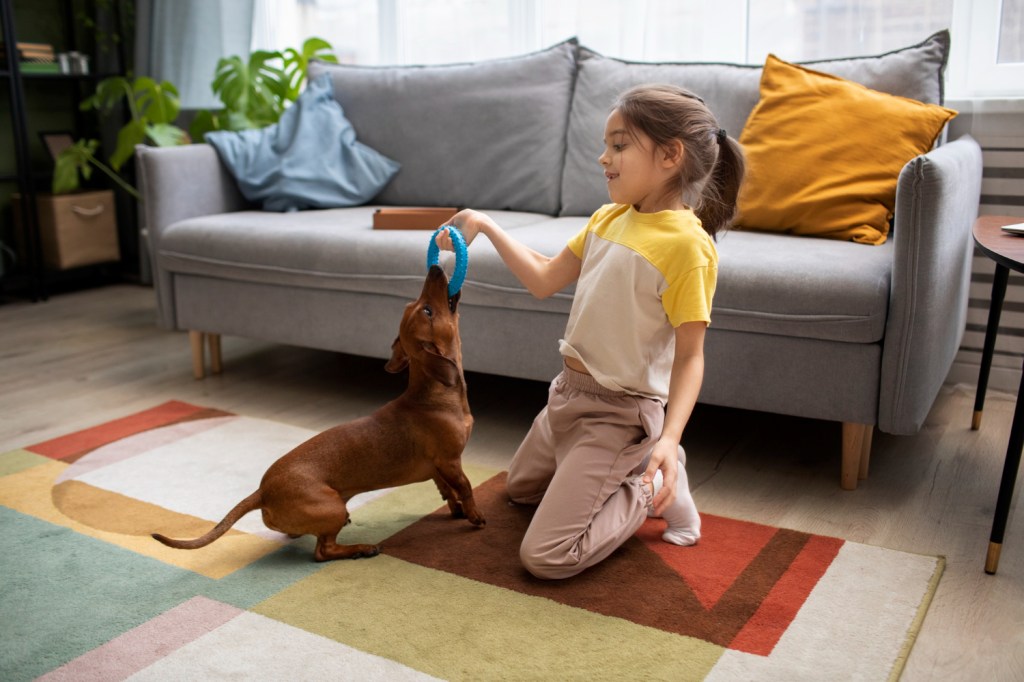
Understanding the Importance of Exercise for Anxious Dogs
Exercise serves as one of the most powerful tools for managing anxiety in dogs, offering both immediate relief and long-term benefits that transform nervous behaviors into confident ones. When anxious dogs engage in regular physical activity, their bodies naturally release endorphins that counteract stress hormones, creating a calming effect that can last for hours.
The connection between physical exertion and mental stability runs deeper than simple fatigue. Dogs experiencing anxiety often carry pent-up energy that shows up as destructive behaviors, excessive barking, or restless pacing. Regular exercise provides a healthy outlet for this energy while building confidence through positive experiences and small victories.
Creating a proper crate exercise balance becomes essential for anxious dogs because it establishes predictable routines that reduce uncertainty. Dogs thrive on structure, and knowing that active play time will be followed by peaceful crate time helps them feel secure. This predictability significantly reduces anxiety triggers and gives your dog something reliable to count on each day.
Different types of exercise offer unique benefits for nervous dogs. Aerobic activities like running or fetch sessions burn excess energy and promote deeper, more restorative sleep. Mental stimulation through puzzle games or training exercises engages their minds and builds problem-solving confidence. The combination of physical and mental challenges creates a well-rounded approach that addresses anxiety from multiple angles.
Timing matters just as much as the exercise itself. Many anxious dogs benefit most from morning exercise sessions that set a calm tone for the entire day. Others respond better to pre-crate exercise routines that help them settle more easily into their safe space. The benefits of exercising with your dog extend beyond anxiety management—these shared activities strengthen your bond while building the trust that anxious dogs desperately need.
Quality exercise for anxious dogs focuses on consistency rather than intensity. A moderate daily routine proves more beneficial than sporadic high-energy sessions because it maintains steady serotonin levels and reinforces the security that comes from reliable schedules. This foundation of physical wellness creates the perfect complement to structured, peaceful crate time.
Finding the Right Crate Time: A Safe Haven for Your Dog
When done correctly, crate time shifts from a mere containment method to a protective sanctuary where anxious dogs can decompress and recharge. This secure environment works in tandem with physical activity, fostering an ideal balance that helps nervous dogs build confidence while maintaining emotional stability. The aim is to establish the crate as a positive retreat rather than a place of isolation.
Essential principles for creating a comforting crate experience:
• Strategic timing – Introduce crate time after exercise sessions when your dog is naturally tired and more receptive to rest. This strategy ensures a smooth, stress-free transition into crate time, letting them settle without resistance.
• Comfort enhancement – Fill the crate with familiar items like blankets, favorite toys, or clothing carrying your scent. These personal touches help create a safe and nurturing environment, signaling security to your anxious companion.
• Gradual introduction – Begin with short 15-minute sessions with the door open, gradually increasing the duration as your dog associates the space with positive experiences. Patience during this process pays off in long-term acceptance.
• Optimal placement – Place the crate in a quiet area where your dog can watch family activities without feeling overwhelmed or completely isolated. Think of it as their personal observation deck.
• Consistent routine – Keep regular crate times aligned with your dog’s natural rest periods. This predictability becomes crucial in reducing anxiety and building trust.
Important Note: Anxious dogs should spend no more than 4-6 hours in a crate during daytime, with total daily crate time not exceeding 8-10 hours, including overnight rest.
When properly managed, the crate becomes your dog’s personal retreat, offering an emotional reset that directly impacts their ability to engage positively during exercise. This supportive cycle of activity and rest enhances your dog’s well-being. For comprehensive crate training tips tailored to the unique needs of anxious dogs, our detailed guide covers every aspect of successful crate introduction and long-term success.
Creating a Balanced Schedule: Exercise and Crate Routine
Establishing the right crate exercise balance creates a foundation for reducing your anxious dog’s stress by ensuring they enter their crate feeling mentally and physically satisfied rather than restless or overwhelmed. When dogs receive appropriate exercise before crate time, they view their space as a welcome retreat rather than confinement, naturally decreasing anxiety-driven behaviors like whining, pacing, or destructive tendencies.
Follow these practical steps to develop an effective routine:
- Start with morning movement – Begin each day with 20-30 minutes of moderate exercise to release pent-up energy and establish a positive tone.
- Include mental stimulation – Incorporate puzzle toys, training sessions, or sniffing games 30-45 minutes before crate time to tire your dog’s mind alongside their body.
- Create a pre-crate wind-down period – Allow 15-20 minutes of calm activities like gentle brushing or quiet sitting together to help your dog transition from active to restful mode.
- Time crate periods strategically – Schedule crate time when your dog naturally feels drowsy, typically after meals or extended activity sessions.
- Adjust duration based on energy levels – Monitor your dog’s individual needs and modify crate time accordingly, ensuring they don’t feel overstimulated or under-exercised.
- End with positive associations – Always conclude crate sessions with something enjoyable like a favorite treat or brief outdoor time to maintain positive connections.
| Activity Level | Exercise Duration | Crate Time Adjustment |
|---|---|---|
| High Energy Days | 45-60 minutes | Standard duration (1-3 hours) |
| Low Energy Days | 20-30 minutes | Reduce by 25-30% |
Building positive crate associations requires patience and consistency. For additional techniques that help dogs develop genuine affection for their crate space, explore proven methods to make your pup love their crate, which complement your exercise routine beautifully.
The key to successful crate training tips lies in understanding your individual dog’s temperament, energy levels, and anxiety triggers. Some dogs need vigorous morning runs, while others thrive with gentle walks and puzzle games. Pay attention to what works best for your companion. Consistency in timing and approach builds trust and security, while flexibility in duration and intensity ensures your routine remains effective as your dog’s needs evolve. With the right balance, your anxious dog will come to see their crate as a safe haven rather than a source of stress.
Introducing Impact Dog Crates: Strength and Comfort
When managing anxious dogs, the right crate becomes the cornerstone of achieving an effective crate exercise balance. A flimsy or poorly designed crate can actually heighten your dog’s anxiety and throw off their entire routine. But a thoughtfully engineered crate? That creates the secure foundation your dog needs for both peaceful downtime and confident preparation for their next adventure. For nervous dogs wrestling with environmental stressors, having a truly reliable safe space makes all the difference in their willingness to embrace healthy activity cycles.
Impact Dog Crates deliver exactly what anxious dogs need most:
• Aircraft-grade aluminum construction that stands strong against stress behaviors like scratching, chewing, or desperate escape attempts while maintaining complete structural integrity
• 360-degree ventilation system ensuring fresh airflow and clear visibility, eliminating that trapped feeling that can trigger panic responses
• Secure dual-latch door system giving you absolute confidence that your anxious dog stays safely contained during crucial rest periods between exercise sessions
• Smooth, rounded edges and non-slip rubber feet removing sharp surfaces and unwanted movement that could startle your sensitive companion
• Customizable comfort accessories including premium bedding and divider panels that transform the space into a den-like sanctuary, naturally encouraging calm behavior
These carefully considered features create real-world benefits for managing dog anxiety and supporting exercise routines for nervous dogs. The rock-solid stability helps dogs genuinely associate their crate with security rather than punishment. Superior ventilation prevents the stuffiness that can send anxiety through the roof, while the robust construction gives you complete peace of mind during longer crate periods that perfectly balance active exercise time.
Impact Dog Crates empower you to implement consistent crate training tips with unwavering confidence, knowing your investment supports both immediate anxiety relief and long-term behavioral wins. The exceptional durability and thoughtful engineering make these crates especially valuable for anxious pets who need that extra layer of support in their daily routines. Discover why choosing an Impact Dog Crate represents a true commitment to your dog’s wellbeing and your family’s lasting peace of mind.
Tips for Monitoring and Adjusting Your Dog’s Routine
Monitoring your dog’s crate exercise balance becomes crucial when working with anxious dogs, as each animal responds uniquely to routine changes. What works perfectly for one dog may create additional stress for another, making careful observation your most valuable tool in managing dog anxiety effectively.
Signs Your Current Balance is Working Well:
• Your dog enters the crate willingly without excessive coaxing or treats
• Relaxed body language during both exercise and rest periods, with minimal panting or pacing
• Improved sleep patterns with longer, uninterrupted rest cycles
• Reduced destructive behaviors both inside and outside the crate
• Calmer responses to environmental triggers like doorbell sounds or visitors
• Consistent appetite and normal eating patterns throughout the day
• Voluntary seeking of the crate as a comfort space during stressful moments
Warning Signs That Indicate Routine Adjustments Are Needed:
• Increased whining, barking, or vocalization during crate time
• Destructive behaviors such as excessive scratching at crate walls or chewing
• Regression in house training or other previously mastered skills
• Physical symptoms like excessive drooling, trembling, or loss of appetite
• Heightened anxiety responses that seem worse than before starting the routine
• Difficulty settling after exercise sessions or remaining hyperactive in the crate
• Avoidance behaviors around the crate or resistance to approaching the area
When you notice concerning signs, implement gradual adjustments rather than dramatic routine overhauls. Start by modifying exercise intensity or duration by small increments, then observe your dog’s response over several days before making additional changes. For example, if your dog seems overstimulated after a 30-minute walk, try reducing it to 20 minutes and adding calm mental enrichment instead.
Consider whether your current approach aligns with proven crate training tips that emphasize positive associations and gradual conditioning. Remember that successful exercise routines for nervous dogs require patience and consistency. Trust builds through reliable patterns that support your dog’s emotional wellbeing, creating the foundation for long-term success in managing anxiety.
Embrace a Harmonious Lifestyle With Your Dog
Creating a harmonious lifestyle with your anxious dog isn’t just about following a routine—it’s about building something beautiful together. The strategies you’ve discovered in this guide become the building blocks for a deeper, more trusting relationship with your canine companion. When you consistently weave these techniques into your daily life, you’re making a powerful investment in your dog’s emotional wellbeing and your own lasting peace of mind.
Every dog writes their own timeline. Some settle into their new crate exercise balance within a few weeks, while others need several months to truly embrace the rhythm of active engagement and peaceful crate time. This patient journey of managing dog anxiety through thoughtful structure does more than reduce stress—it weaves an unbreakable bond of trust that touches every aspect of your life together.
Your commitment to understanding your dog’s unique personality shows the kind of thoughtful ownership that transforms fearful reactions into confident, healthy responses. The exercise routines for nervous dogs and crate training tips you put into practice today will keep giving back for years, creating the predictable sanctuary that anxious dogs crave most.Moving forward, treasure those small breakthrough moments and stay adaptable. The benefits of exercising with your dog reach far beyond keeping fit—they create shared adventures that strengthen your connection in ways you never expected. Your dedication to this balanced approach doesn’t simply ease anxiety; it forges a true partnership grounded in mutual respect, deep understanding, and unshakeable trust. This thoughtful investment in your dog’s wellbeing represents the very heart of exceptional pet ownership.
 Dog Anxiety Support
Leave a comment