
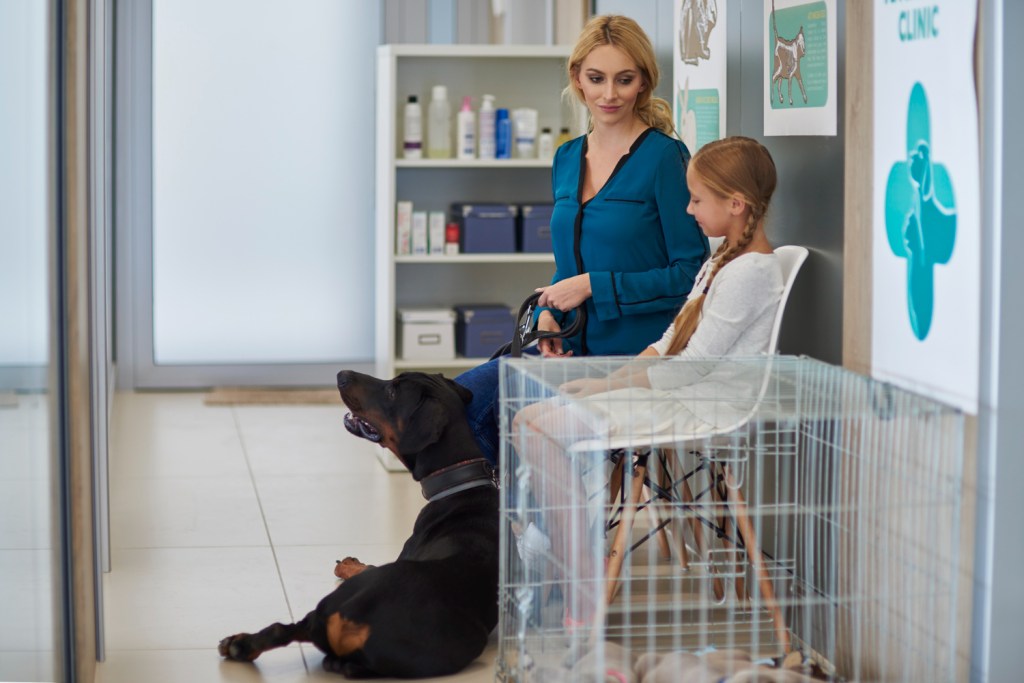
Recognizing Anxiety in Dogs: When It Goes Beyond the Crate
While crates provide essential safety and comfort for many anxious dogs, some behaviors signal deeper issues that go beyond what even the most secure environment can address. Recognizing these warning signs helps you understand when your dog’s distress needs professional attention.
Excessive destructive behavior is one of the clearest red flags. When a dog continues trying to escape their crate despite proper training—clawing at bars until their paws bleed or breaking teeth on crate materials—this reveals anxiety levels that demand veterinary care. The same goes for persistent self-harm like excessive licking, chewing paws raw, or pulling out patches of fur. These aren’t just behavioral quirks; they’re your dog’s way of showing they’re overwhelmed by chronic stress.
Physical symptoms often accompany severe anxiety episodes. Keep an eye out for excessive panting when it’s not hot, uncontrollable drooling, or regular vomiting and diarrhea during crating periods. Your dog’s body is essentially sounding the alarm about overwhelming stress hormones.
Don’t overlook changes that happen outside the crate either. Regression in house training, sudden aggression toward family members, complete loss of appetite for days, or withdrawal from activities they once loved all warrant professional evaluation. Understanding what triggers these responses gives your vet crucial insight for developing the right treatment plan.
If consistent, patient crate training hasn’t brought relief after several weeks, it’s time to call your veterinarian. Professional guidance ensures your companion gets the care they need while still benefiting from the security a quality crate provides during their healing process.
The Role of Crates in Managing Anxiety
When a dog experiences mild anxiety, a well-designed crate can serve as their personal sanctuary—a safe haven where they feel protected and can decompress. Quality crates create that den-like environment dogs naturally crave, helping to soothe anxious behaviors. However, it’s important to stay alert for serious warning signs that indicate when professional veterinary support is needed beyond what even the best crate can provide.
The right crate becomes a cornerstone of comfort, offering your dog a reliable retreat when the world feels overwhelming. Here’s how a premium crate supports anxious dogs:
• Secure den environment that taps into their natural instinct to seek cozy, protected spaces
• Reduced overstimulation by filtering out visual and auditory chaos during stressful moments
• Predictable safe space where dogs can retreat and work through their emotions at their own pace
• Controlled environment that prevents anxiety-driven destructive behaviors
• Routine anchor that provides stability when life gets unpredictable
Construction quality makes all the difference for anxious dogs. Heavy-duty materials and thoughtful engineering create the rock-solid security that worried pups desperately need. Our comprehensive review of high-anxiety crate solutions dives deep into how superior durability and smart design features work together to maximize comfort for dogs facing anxiety challenges.
That said, even the most perfectly crafted crate has its limits. While a quality crate provides invaluable support for mild to moderate anxiety, it’s one powerful tool in a larger toolkit—not a magic cure. Severe anxiety symptoms require professional veterinary guidance, no matter how exceptional your crate might be. The most effective approach combines the right equipment with proper training, environmental adjustments, and professional support when your dog needs it most.
When to Seek Veterinary Help: Key Indicators
While crate training offers valuable support for anxious dogs, certain severe symptoms signal that professional intervention is essential for your pet’s wellbeing. When anxiety escalates beyond what comfort and security measures can address, recognizing these critical warning signs ensures your dog receives the comprehensive care they deserve.
Key indicators that require immediate veterinary consultation:
- Panic attacks with physical distress – Watch for excessive panting, drooling, or vomiting during crating, especially when you notice dilated pupils or loss of bladder control. These symptoms indicate severe stress that demands medical attention.
- Destructive compulsive behaviors – Repetitive actions like excessive licking until sores develop, compulsive paw chewing, or frantically scratching at crate surfaces suggest your dog’s anxiety has reached an unhealthy intensity that goes far beyond normal stress responses.
- Persistent trembling or withdrawal – If your dog continues shaking, cowering, or hiding for hours after crate time and can’t calm down with your usual comfort measures, it’s time to seek professional help.
- Extended appetite loss – When dogs refuse food or treats for more than 24 hours, especially alongside other anxiety symptoms, their health and recovery can be quickly impacted.
- Aggressive responses to confinement – Lunging, snapping, or defensive behaviors toward the crate during training attempts indicate trauma-level anxiety that requires specialized intervention.
- Self-harm behaviors – Any actions that cause physical injury—excessive scratching, biting at paws, or throwing themselves against crate walls—demand immediate veterinary attention.
Recognizing these vet anxiety crate signs alongside the broader spectrum of dog anxiety symptoms empowers you to make informed decisions about your pet’s care. Professional veterinary guidance provides both medical solutions and specialized behavioral strategies that work hand-in-hand with crate training, ensuring your dog’s journey to comfort and security addresses every aspect of their anxiety.
Effective Strategies Beyond Crates
While quality crates provide essential security and comfort for anxious dogs, tackling dog anxiety symptoms effectively often requires a layered strategy coordinated with your veterinarian. Your vet’s expertise is key to identifying which approaches complement crate training to best meet your dog’s unique needs.
• Behavior modification techniques like desensitization and counter-conditioning offer a pathway for dogs to gradually conquer anxiety triggers. They thrive on consistency and time, especially when paired with structured crate routines, and are most effective for mild to moderate anxiety cases.
• Anti-anxiety medications can serve as a cornerstone for dogs struggling with severe symptoms that behavior strategies alone can’t fully address. Veterinarians will assess whether options like fluoxetine or trazodone are suitable and will carefully monitor your dog’s response to achieve the optimal balance for calmness without sedation.
• Professional dog training programs led by certified behaviorists employ evidence-based methods like positive reinforcement and systematic exposure. These programs are extraordinarily effective for dogs dealing with specific triggers or past trauma, ensuring targeted anxiety relief.
• Environmental enrichment strategies like interactive toys, soothing music, and pheromone diffusers cultivate a calm, supportive environment. When paired with specialized crate setups designed for dogs with therapeutic needs, these enhancements can greatly bolster your dog’s sense of protection and comfort.
• Natural calming supplements with ingredients like L-theanine, valerian root, or chamomile offer gentle relief for mildly anxious dogs. Always consult your vet first to ensure these supplements don’t interfere with current treatments.
Your veterinarian will guide you in crafting a personalized strategy that leverages these tools, monitoring progress, and adapting the plan as your dog’s needs change. With professional support, you can ensure long-term comfort and peace of mind for both you and your canine companion.
Peace of Mind for Dog Owners: Ensuring Long-term Comfort
Managing your dog’s anxiety successfully requires more than just recognizing warning signs—it demands a thoughtful approach that addresses your pet’s complete well-being. While a quality crate provides immediate safety and comfort, lasting peace comes from combining the right tools with professional guidance and consistent care.
Think of premium crates as the foundation of your anxiety management strategy. They offer your dog a secure retreat when stress levels rise, but the most effective solutions integrate multiple approaches. Professional veterinary assessment helps identify underlying causes, while behavioral training and environmental modifications address specific triggers. Quality equipment that stands the test of time ensures your strategy remains reliable when your dog needs it most.
Building trust with your anxious dog takes patience and the right resources. When you invest in durable, thoughtfully designed crates alongside expert veterinary care, you create an environment where confidence can grow naturally. Consistent crate training for anxious dogs, combined with professional support, often transforms how pets handle stress and separation entirely.
Your dedication to understanding your dog’s needs and seeking appropriate help reflects the kind of responsible ownership that creates lasting bonds. When you recognize vet anxiety crate signs early and provide reliable comfort tools, you’re investing in years of improved quality of life for both of you. Real success stories from our community demonstrate how this comprehensive approach delivers genuine peace of mind.
The path to managing canine anxiety isn’t always linear, but with professional guidance, quality equipment, and dedicated care, you can build a foundation of trust and comfort that serves your dog throughout their life.
 Dog Anxiety Support
Leave a comment