
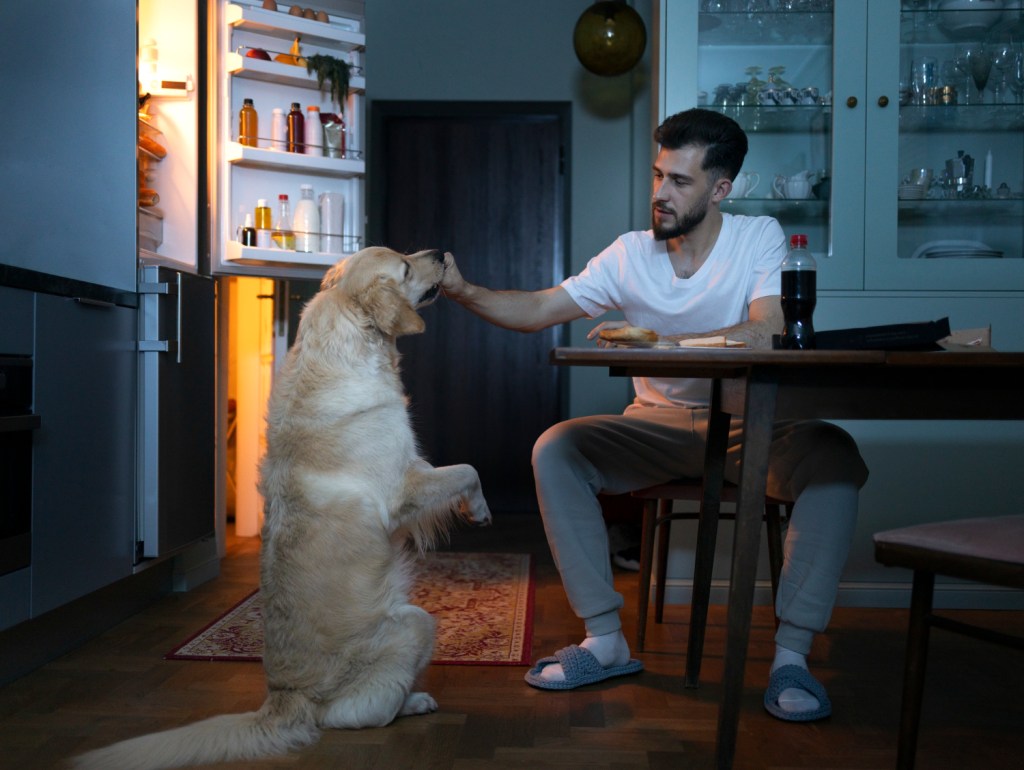
Understanding Dog Anxiety and Its Impact
Dog anxiety shows up in countless ways, and if you’re living with an anxious pup, you know exactly what we mean. Maybe your dog destroys the couch cushions the moment you leave, or perhaps they pace endlessly during thunderstorms. Some dogs tremble at the slightest unexpected sound, while others bark frantically at every passing shadow. These aren’t just “bad behaviors”—they’re genuine distress signals from dogs who feel overwhelmed and unsafe.
The triggers can seem endless and unpredictable. A change in your work schedule, construction noise next door, or even rearranging furniture can send some dogs spiraling. You might come home to find your house-trained dog has had accidents, or discover they’ve scratched at doors until their paws are raw trying to escape. Other dogs become velcro pets, unable to let their owners out of sight, while some retreat entirely, hiding under beds or in corners.
As a dog owner, watching your companion struggle takes a real emotional toll. The guilt hits hard when you see the destruction after a work day, knowing your dog spent hours in distress. You worry constantly—is my dog safe? Are the neighbors complaining about the barking? Will this ever get better? Many families cycle through expensive gadgets, supplements, and quick fixes, often feeling more frustrated than when they started.
The impact ripples through your entire relationship with your dog. Basic training becomes nearly impossible when anxiety dominates their headspace. Socialization opportunities turn into stressful ordeals. That joyful bond you dreamed of gets buried under layers of worry and behavioral management.
Here’s what matters most: anxiety isn’t your dog’s fault, and it’s not yours either. It’s a real condition that deserves real solutions. Dogs experiencing anxiety need what we all crave when we’re scared—a sense of security and safety they can count on. Understanding the root causes and recognizing the signs becomes your roadmap to dog crate anxiety success and genuine transformation.
How Crates Provide Comfort and Security
When it comes to anxious dogs, introducing a crate in the right way can work wonders in tapping into their instinctual need for safety and shelter. At first glance, a crate might seem restrictive, but for many dogs, it becomes a haven—central to countless success stories of overcoming dog crate anxiety. Dogs, when feeling fleeting or long-term stress, naturally gravitate towards cozy, enclosed spaces to help them feel centered and calm.
The psychological comforts that a well-designed crate offers extend far beyond simply keeping a dog contained:
• It limits sensory overstimulation by buffering out overwhelming stimuli, such as blaring noises or sudden movements that could trigger anxiety.
• Fosters a sense of security by offering consistent, defined boundaries, helping anxious dogs understand and feel more in control of their world.
• Offers a personal retreat, providing a sanctuary where dogs can self-soothe during occasionally stressful times, be it thunder, unexpected visitors, or those moments of separation.
• Encourages restful sleep by creating a serene environment devoid of interruptions and anxiety triggers, leading to more restorative rest.
• Over time, it nurtures confidence, as dogs learn to rely on this safe space for emotional support whenever the need arises.
These elements combine to create a foundation for successfully crate training anxious dogs. Through thoughtful implementation, the focus shifts from seeing a crate as a restriction to viewing it as a means of empowerment. It’s about equipping your dog with the tools to manage stress effectively. Explore a compelling example of this journey, where crate training transformed one dog’s life, helping conquer years of separation anxiety and fear-driven reactions.
Ultimately, the real magic happens when a crate becomes more than a containment tool and turns into a genuine source of comfort and healing. This involves choosing a crate with the durability, safety features, and thoughtful design necessary for long-term emotional health—providing peace of mind for both the dog and their family.
Real-Life Transformations: Success Stories
Nothing showcases the effectiveness of proper crate training better than seeing anxious dogs transform into confident, relaxed companions. These real-life dog crate anxiety success stories are shared by families who found that the right crating method could alleviate their pets’ greatest fears and behavioral struggles. Each story illustrates how thoughtfully applied dog anxiety solutions through crate training brought about enduring positive changes.
Max, the Rescue German Shepherd: When Sarah welcomed Max into her home, he was a whirlwind of stress and destruction, struggling intensely with separation anxiety. His past traumas left him restless when alone, leading to chewed-up furniture, incessant barking, and escape attempts. Sarah wisely started with brief five-minute crate sessions, allowing Max to set his pace while she stayed nearby. Gradually, Max began seeing the crate as a refuge. Within three weeks, he chose to enter it on his own. After two months, Max could rest comfortably in his crate for four hours, with his destructive tendencies completely eliminated.
Bella, the Anxious Border Collie: This spirited rescue found her way to Tom, carrying severe storm phobia and pervasive anxiety evident in her constant pacing and panting. Even medications offered little relief. Tom turned the crate into Bella’s personal sanctuary, feeding her inside and reserving favorite toys for crate time. The turnaround was astounding. Bella came to see the crate as a haven, seeking it for comfort during storms instead of hiding or attempting to escape.
Charlie, the Stressed Labrador Mix: Meeting new people overwhelmed Charlie, resulting in destructive behavior and accidents indoors. Jennifer, his loving owner, embraced patient crate training to help him manage his dog separation anxiety. The crate became Charlie’s retreat for calming down after exciting experiences. In just six weeks, Charlie’s confidence soared and his troublesome behaviors subsided by ninety percent.
Luna, the Fearful Rescue: This small mixed breed was paralyzed by anxiety, refusing food and trembling endlessly. Her adopters slowly introduced her to the crate, initially leaving the door open and placing treats nearby. Progress was gradual, but four months later, Luna eagerly entered her crate each evening, her confidence and appetite significantly improved.
These stories share common threads: careful implementation, positive reinforcement, and steady routines. Each family realized that calming dog crates were more than just containment—they were fundamental in building security and confidence. If you’re interested in more inspiring testimonials about dogs whose lives were transformed through diligent crate training, these real-world examples prove that even the most anxious dogs can thrive with the right guidance and dedication.
Choosing the Right Crate for Your Dog
Selecting the right crate can mean the difference between transforming your dog’s anxiety and watching them continue to struggle. The size, build quality, and thoughtful design features of your chosen crate directly determine whether it becomes a true sanctuary for your anxious companion. When these elements work together, the crate evolves from a simple containment tool into something far more powerful—a source of genuine comfort and security.
Here’s what matters most when choosing a crate for anxious dogs:
• Proper sizing – Your dog should be able to stand, turn around, and lie down comfortably without excessive space that encourages anxious pacing or restless movement
• Rock-solid construction – Materials that can handle scratching, chewing, and stress behaviors without bending, breaking, or creating safety hazards
• Smart ventilation and visibility – Balanced airflow and sightlines that prevent your dog from feeling trapped while preserving that cozy, den-like atmosphere they naturally seek
• Reliable security features – Latching systems that stay secure during panic episodes, giving you both confidence and peace of mind
Important Note: Getting the size wrong can actually make anxiety worse. A crate that’s too large fails to provide the snug security anxious dogs crave, while one that’s too small creates claustrophobia and distress. Precise measurement isn’t just helpful—it’s essential.
Quality construction becomes even more critical when you’re supporting an anxious dog through their healing journey. These dogs need crates that can withstand their stress behaviors while maintaining structural integrity over time. A well-engineered crate designed with anxious pets in mind provides the durability and security features that help build positive associations rather than reinforcing fear.
To nail the perfect size for your anxious companion, check out our comprehensive dog crate sizing guide for step-by-step measurement instructions that ensure an ideal fit for lasting comfort and confidence.
Implementing Crate Training for Best Results
Successful crate training for anxious dogs isn’t about forcing compliance—it’s about building trust and confidence through patience and understanding. When you rush the process or use forceful methods, you risk creating negative associations that can deepen anxiety. Instead, focus on proven strategies that create genuine dog crate anxiety success through positive experiences and gradual progress.
- Start with short, positive introductions by placing the crate in a quiet area with the door open. Let your dog explore on their own terms while you stay nearby, offering calm encouragement and treats for any curiosity they show.
- Create positive associations by feeding meals near or inside the crate and placing favorite toys and comfortable bedding inside. Reward any calm behavior around the crate with high-value treats and gentle praise.
- Practice gradual confinement beginning with just 5-10 minutes while you’re home. Only increase duration after your dog shows relaxed acceptance at each stage. They should never feel trapped or abandoned.
- Optimize comfort and security by partially covering the crate with a blanket to create a cozy, den-like atmosphere. Make sure ventilation remains adequate while the space feels safe rather than exposed.
- Time training sessions strategically after exercise or meals when your dog is naturally more relaxed. Avoid high-energy periods or times when separation anxiety typically spikes.
- Establish consistent routines that help anxious dogs predict what’s coming next. Use the same verbal cues, timing, and reward system to build trust and reduce uncertainty around crate time.
Expert Insight: Most anxious dogs need 2-3 weeks longer than confident dogs to fully accept their crate. Extra patience during this adjustment period pays dividends in long-term success.
These foundational principles set you up for lasting results. For more comprehensive guidance on building positive associations and timing your training sessions, explore our detailed crate training resource.
Remember, these dog anxiety solutions work because they address the root causes of stress while building healthy coping mechanisms. When you combine consistency with genuine understanding of your dog’s needs, crate training anxious dogs transforms from a daily struggle into a powerful tool for overcoming dog separation anxiety. Your patient approach creates a secure environment your dog will not just tolerate, but truly appreciate as their safe haven.
Building a Brighter Future with Confidence
Every dog deserves to feel secure and confident, and you absolutely have the power to transform your anxious companion’s life. The stories we’ve shared prove that dog crate anxiety success isn’t just possible—it happens every day for dogs of all backgrounds when their owners stay committed to patient, consistent training.
Your path to helping your anxious dog starts with understanding what makes them tick and choosing a crate that puts safety and comfort first. The foundation you create through thoughtful crate training ripples out far beyond anxiety relief. You’re building a lifelong sense of security that helps your dog navigate everything from thunderstorms to vet visits with greater confidence.
Keep in mind that overcoming dog separation anxiety takes time. There’s no magic overnight fix, but each small victory builds real momentum toward lasting change. Those moments when your dog settles peacefully in their crate? They’re worth celebrating—and they strengthen the trust between you both.
At Impact Dog Crates, we know that quality construction isn’t just about durability. It’s about creating truly calming dog crates that become genuine safe havens for anxious dogs. When you invest in thoughtful design and premium materials, you’re choosing a solution that grows with your dog’s needs—whether that’s providing daily comfort at home or reliable security during travel adventures.
Your dog’s transformation is waiting. You have the knowledge, the tools, and most importantly, the heart to make it happen. Why not take that first step today?
 Dog Anxiety Support
Leave a comment