
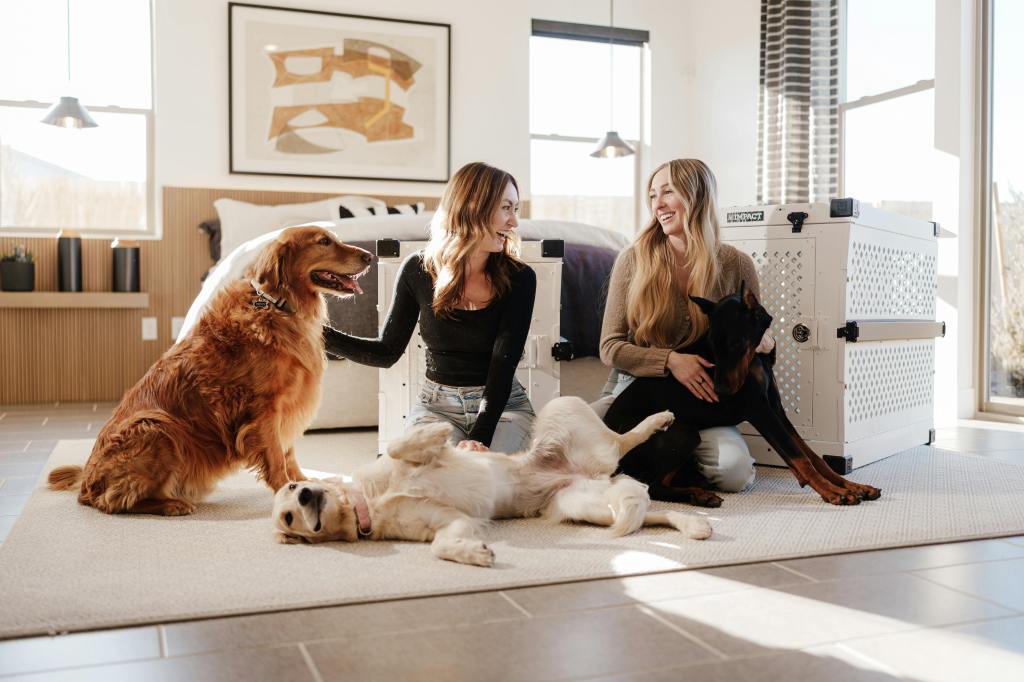
Sleep is essential for a dog’s overall well-being, just as it is for humans. A well-rested dog is not only happier but also healthier and better behaved. Unfortunately, many dogs struggle to get the quality sleep they need due to anxiety, overstimulation, or an inconsistent routine. One of the most effective ways to improve your dog’s sleep quality is through crate training.
A properly crate-trained dog learns to associate their crate with security, calmness, and relaxation. The result? A peaceful environment that naturally promotes restful sleep. In this article, we’ll explore how crate training directly impacts your dog’s sleep quality, why it works so well, and how to implement crate training effectively for a good night’s rest.
Why Sleep Quality Matters for Dogs
Sleep is crucial for maintaining a dog’s physical and emotional health. Dogs that don’t get enough restful sleep may exhibit:
- Increased Anxiety: Lack of sleep heightens stress levels and can make anxiety worse.
- Behavioral Issues: Fatigue can lead to irritability, aggression, or hyperactivity.
- Reduced Immune Function: Sleep supports the body’s ability to fight infections and recover from physical exertion.
- Cognitive Impairment: Just like humans, dogs need quality sleep to process experiences and learn new things.
According to the American Veterinary Medical Association (AVMA), dogs that experience disrupted or poor-quality sleep are more likely to display behavioral problems and emotional instability (source: AVMA). Therefore, ensuring quality sleep should be a top priority for any dog owner.
Why Crate Training Improves Sleep
Crate training helps create a structured and calming sleep environment, which can greatly enhance your dog’s ability to relax and get deep, restorative sleep. Here are the main reasons why crate training is so effective in improving sleep quality:
1. Provides a Secure and Predictable Space
Dogs naturally seek den-like environments for safety and comfort. A crate serves as a dedicated space where your dog can unwind, away from the hustle and bustle of daily household activities.
2. Reduces Overstimulation
The enclosed nature of the crate helps block out:
- Excessive Noise: Limits disruptive sounds that can interrupt sleep.
- Visual Stimuli: Reduces distractions from passing people, pets, or outdoor movement.
- Environmental Stressors: Helps your dog feel shielded from potential stressors like guests or loud appliances.
3. Establishes a Sleep Routine
Routine is critical for promoting healthy sleep patterns. When your dog associates the crate with bedtime, they learn to wind down naturally at the same time each night.
4. Minimizes Nighttime Restlessness
By confining your dog to a cozy, confined space, you reduce the likelihood of restless pacing or wandering during the night.
Setting Up the Perfect Sleep Crate
Creating a comfortable and secure crate environment is crucial for encouraging restful sleep. Here’s how to do it:
1. Choose the Right Crate
Select a crate that matches your dog’s size and temperament:
- Sturdy Construction: To withstand restless movements or anxiety-driven behavior.
- Noise Reduction: A quiet, solid crate minimizes rattling or clanging sounds.
- Comfortable Flooring: A soft, cushioned mat or bed promotes restful lying.
2. Use Calming Aids
Incorporating calming accessories enhances the sleep-promoting qualities of the crate:
- Pheromone Sprays: These mimic calming signals that reassure your dog.
- Soft, Cozy Bedding: Orthopedic pads help reduce pressure on joints, especially for older dogs.
- White Noise or Calming Music: Studies from the National Institutes of Health (NIH) indicate that classical music can significantly reduce stress and promote calmness, which aids sleep (source: NIH).
How to Introduce Crate Training for Sleep
The key to successful crate training is to build positive associations and establish a consistent routine. Here’s a step-by-step approach:
Step 1: Create Positive Associations
- Leave the Crate Door Open: Let your dog explore at their own pace.
- Use Treats and Praise: Reward your dog for entering the crate voluntarily.
- Feed Meals Inside: Help your dog associate the crate with positive, satisfying experiences.
Step 2: Establish a Bedtime Routine
- Exercise Before Bed: A walk or light play session helps burn off excess energy.
- Wind Down Activities: Offer a calming chew toy or gentle petting to signal relaxation.
- Keep the Routine Consistent: Aim for the same bedtime each night to develop a sleep rhythm.
Step 3: Gradual Crate Introduction
- Start with Short Periods: Gradually extend the duration as your dog becomes more comfortable.
- Practice During Daytime: Allow short naps in the crate to build familiarity.
- Avoid Forcing Entry: Never push or pull your dog into the crate, as this creates fear and resistance.
Signs Your Dog Is Sleeping Well in the Crate
When your dog is well-adjusted to sleeping in the crate, you’ll notice:
- Entering Voluntarily: Your dog chooses the crate when tired or stressed.
- Calm and Quiet Sleep: Minimal whining, barking, or scratching.
- Staying Asleep Through the Night: Your dog doesn’t pace or attempt to escape.
- Appearing Refreshed and Relaxed: A well-rested dog will wake up alert and content.
Common Mistakes to Avoid
While crate training for sleep is highly effective, it’s important to avoid these pitfalls:
1. Using the Crate as Punishment
Dogs should never associate the crate with negative experiences. Always make crate time positive and comforting.
2. Leaving the Dog Crated Too Long
Extended confinement can lead to frustration and restlessness, disrupting sleep patterns and causing stress.
3. Ignoring Comfort Needs
An uncomfortable crate setup—like a hard floor or sparse bedding—will make your dog reluctant to sleep inside.
When to Adjust Your Approach
If your dog is still struggling to sleep soundly in the crate despite consistent training, consider the following:
- Health Issues: Pain or discomfort may be keeping your dog awake. Consult your vet if you notice signs of discomfort.
- Anxiety Levels: If your dog exhibits severe stress, consider calming aids like pheromone diffusers or consulting a professional trainer.
- Environmental Factors: Loud noises or bright lights may be disturbing your dog’s rest. Try moving the crate to a quieter, dimmer area.
The Long-Term Benefits of Crate Training for Sleep
Crate training not only improves sleep quality but also fosters emotional stability and behavioral balance. A well-rested dog is less likely to experience anxiety, act out, or exhibit signs of irritability. Establishing a consistent sleep routine in the crate helps dogs feel more secure and confident, even during stressful situations.
Choosing the right crate is crucial to ensuring success. Impact Dog Crates are built with durability and noise reduction in mind, creating a stable, comfortable environment that supports restful sleep. Investing in a quality crate not only helps your dog sleep better but also contributes to their overall well-being and happiness.By making the crate a reliable, comforting space, you help your dog develop healthy sleep habits that benefit them throughout their life.
 Dog Anxiety Support
Leave a comment