
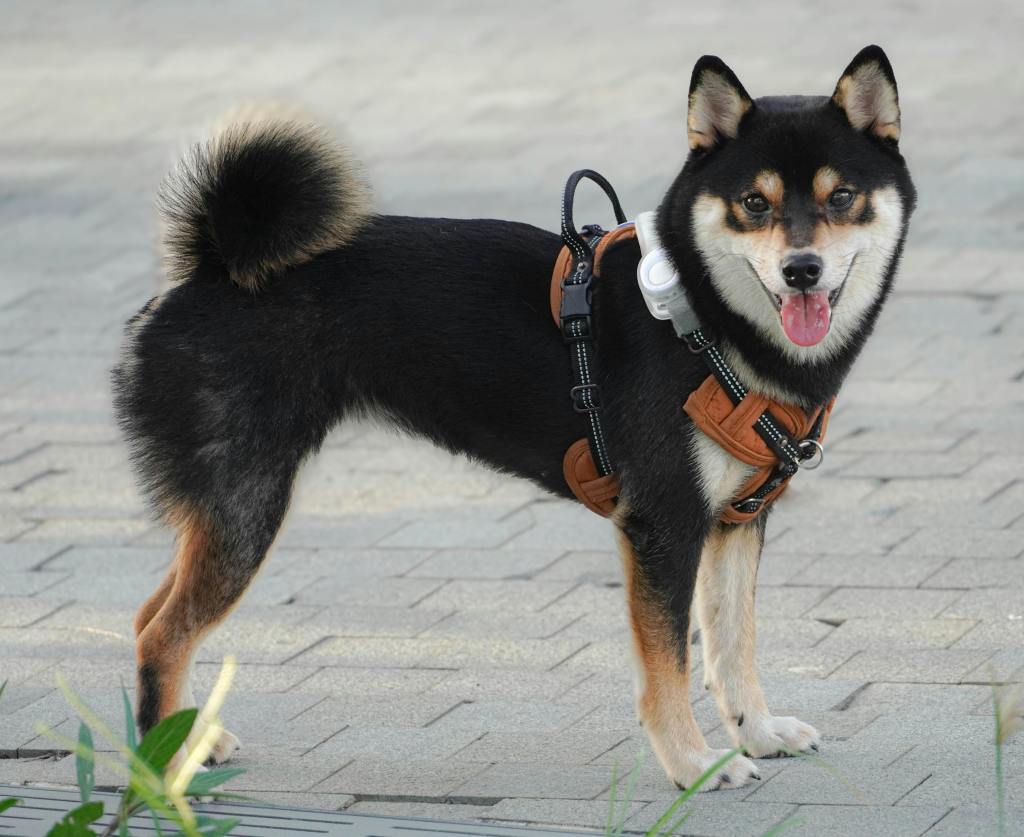
Understanding Noise Anxiety in Dogs
Noise anxiety affects millions of dogs worldwide, turning confident companions into trembling, distressed animals the moment they hear thunder, fireworks, or construction sounds. This isn’t just simple startling—it’s a genuine fear response that often gets worse without the right intervention.
The warning signs are hard to miss once you know what to look for. You might notice panting, drooling, and trembling at first, but these can quickly escalate to destructive behaviors like scratching at doors, chewing furniture, or frantic escape attempts. Some dogs go the opposite direction, withdrawing completely to hide in closets or under beds, while others become velcro dogs who won’t leave your side. In severe cases, dogs can actually injure themselves during panic episodes or develop stress-related health problems.
What triggers noise sensitivity varies dramatically from dog to dog. Genetics certainly matter—some breeds are simply more prone to sound phobias. But early socialization experiences, traumatic events, and even age-related hearing changes can all contribute to or worsen the problem. Perhaps most troubling, many dogs develop anticipatory anxiety, becoming stressed before the scary sounds even start.
The long-term consequences go far beyond momentary discomfort. Chronic stress takes a real toll, weakening immune systems, disrupting sleep, and straining the precious bond between you and your dog. Dogs with untreated noise anxiety often develop additional behavioral issues, creating a frustrating cycle that becomes harder and harder to break.
Getting to know your dog’s specific triggers and how they respond is the first step toward finding real solutions. Working with veterinarians and certified behaviorists can provide valuable guidance for managing anxiety symptoms and developing comprehensive treatment plans that give your faithful companion the protection and comfort they need during stressful moments.
The Science of Soundproofing: Why It Matters for Your Dog
When your dog encounters excessive noise, their body launches into overdrive. Stress hormones like cortisol and adrenaline surge through their system, often leading to destructive behaviors, heavy panting, and chronic anxiety that can persist long after the noise stops. That’s why a soundproof dog crate isn’t just a nice-to-have—it’s a vital sanctuary where your companion can truly decompress during thunderstorms, fireworks, or the inevitable chaos of daily life.
The key to effective soundproofing lies in understanding how sound behaves and implementing the right combination of techniques:
• Sound absorption soaks up noise within the crate, preventing sound waves from bouncing around and creating an echo chamber effect
* Mass barriers use dense materials to block sound transmission—think of them as your dog’s personal noise shield
* Decoupling breaks the connection between surfaces so vibrations can’t travel through solid materials
* Air gap sealing closes off escape routes for sound, since even tiny openings can undermine your efforts
* Smart positioning places the crate away from noise sources and against interior walls for natural buffering
For practical dog crate noise reduction, these materials deliver real results:
• Acoustic foam panels or heavy moving blankets draped over the exterior to catch and absorb incoming sound
* Dense rubber mats underneath the crate to stop vibrations from transferring through the floor
* Thick curtains or tapestries positioned around the area to create layered sound barriers
* Mass-loaded vinyl applied to walls for professional-grade blocking without adding excessive weight
When you get the soundproofing right, your dog’s crate transforms from a simple enclosure into a true calming retreat. This quiet environment actively supports their emotional balance and becomes essential for managing stress responses—ultimately promoting the healthy mental state that forms the foundation of your dog’s overall well-being.
DIY Soundproofing Solutions for Your Dog’s Crate
Transforming any standard crate into a soundproof dog crate doesn’t require expensive professional installation or specialized equipment. With common household materials and a few affordable supplies, you can create an effective noise barrier that helps your anxious dog find peace during thunderstorms, fireworks, or other stressful sound events.
Step 1: Create a Sound-Absorbing Cover
Start with thick blankets, quilts, or moving blankets draped over the crate. Leave the front partially open so your dog can see out and fresh air can circulate freely. Secure the covering with binder clips or fabric ties, making sure everything stays firmly in place—you don’t want your pup pulling materials inside. Stick with machine-washable fabrics that don’t have loose threads or decorative bits that might look like tempting chew toys.
Step 2: Add Removable Acoustic Panels
Cut acoustic foam panels or repurpose old egg crates to fit along the interior walls. Pet-safe adhesive strips work perfectly here since they hold securely but remove cleanly when needed. These materials do the heavy lifting of absorbing sound waves while keeping your crate’s structure completely intact.
Step 3: Seal Gaps with Weather Stripping
Those small gaps around the crate door? They’re sound highways. Apply foam weather stripping around the door frame and any other openings where noise sneaks through. This creates a much tighter seal while keeping the door fully functional. Always choose non-toxic materials and press them down firmly so they won’t come loose and become a safety hazard.
Step 4: Layer the Floor for Sound Dampening
A thick, washable rug or several layers of towels on the crate floor work wonders for blocking sound transmission from below. Your dog gets extra comfort, too. Just make sure everything lies flat and stays put during use—bunched-up materials can become tripping hazards or unwanted toys.
Step 5: Position Sound Barriers Around the Crate
Think strategically about your crate’s surroundings. Bookshelves, furniture, or even portable room dividers positioned around the exterior create additional sound deflection. This approach particularly shines in busy households where everyday ambient noise adds to your dog’s stress levels.
Safety Alert: Always ensure adequate ventilation by keeping at least 25% of the crate uncovered. Avoid materials with small parts, toxic coatings, or anything your dog might chew and swallow. Check all installations regularly for wear or damage.
These dog crate noise reduction techniques create a calming crate for dogs while preserving the essential safety features that make crates effective training tools. A truly peaceful environment means addressing both external sounds and internal disruptions. If your dog tends to chew their crate during stressful periods, addressing this behavior becomes crucial for maintaining your soundproofing efforts and ensuring their continued safety and comfort.
Innovative Construction: How Impact Dog Crates Offer a Quieter Sanctuary
Creating a soundproof dog crate environment relies heavily on construction quality, and Impact Dog Crates exemplify this with their meticulous design. Crafted specifically to reduce noise anxiety, these crates employ top-tier materials that naturally curb noise transmission, carving out a much-needed haven for anxious dogs amidst external commotion.
Impact Dog Crates incorporate several pivotal features for effective noise reduction:
• Heavy-duty aluminum construction provides a strong barrier that effectively muffles outside sounds, yet remains both lightweight and resilient.
• Precision-fitted joints and seamless welding in the design eliminate the common sound gaps, ensuring sounds are uniformly reduced across the crate.
• Thick wall panels offer excellent insulation, protecting your dog’s sensitive ears from harsh, jarring noises.
• Reinforced door mechanisms fasten securely to avoid any internal noise from rattling, which could otherwise jolt a nervous pet.
• Strategically placed ventilation keeps airflow intact without allowing sound to easily penetrate the interior.
The superior construction of Impact Dog Crates can lessen ambient noise by as much as 40%, compared with standard wire crates. This establishes a calming environment for dogs, helping to significantly alleviate noise sensitivities. Your investment in these features translates to a durable solution that targets noise issues at their root, offering restful comfort to your pet.
To delve deeper into how these expertly designed crates support your dog’s well-being, explore the complete range of benefits and the engineering philosophy behind Impact Dog Crates. This brand stands committed to fostering a quieter, more peaceful environment that reassures both you and your four-legged family member.
Balancing Ventilation and Soundproofing
When building a soundproof dog crate, maintaining adequate airflow is absolutely critical for your pet’s safety and well-being. While reducing noise levels can significantly help anxious dogs, restricting ventilation poses serious health risks including overheating, respiratory distress, and potentially dangerous heat stroke. Your dog’s physical safety must always take priority over noise reduction goals.
Here are practical strategies to maintain proper air circulation while effectively soundproofing your crate:
• Use breathable acoustic materials like perforated foam panels or fabric-wrapped sound absorbers that allow air to pass through while dampening noise
* Position sound-dampening panels strategically by covering only solid surfaces and leaving ventilation areas completely unobstructed
* Create intentional ventilation gaps by installing acoustic materials with small openings that reduce noise transmission without blocking airflow
* Install quiet ventilation fans designed for pet enclosures to actively promote air circulation without adding unwanted noise
* Choose materials with dual functionality such as breathable crate covers that provide both sound reduction and temperature regulation
Watch for signs that your soundproofing efforts may be compromising air quality. Excessive panting, lethargy, drooling, or visible condensation inside the crate indicate poor ventilation that requires immediate attention. Your dog should appear comfortable and relaxed in their sanctuary, not stressed from inadequate airflow.
Successfully balancing ventilation with noise reduction creates the ideal environment where your dog feels both safe and comfortable. This balance becomes especially crucial during extended crate training sessions, where proper airflow supports your dog’s long-term comfort and helps establish positive associations with their safe space. A well-ventilated, moderately soundproofed crate will always serve your dog better than a completely sealed, silent space that compromises their health.
Creating a Long-Term Noise-Reduction Routine for Your Dog
Building a successful noise-reduction routine requires patience, consistency, and the right foundation. A well-designed soundproof dog crate serves as the cornerstone of this approach, providing your dog with a reliable sanctuary they can trust during stressful moments.
Start by establishing regular crate training sessions that focus on positive associations rather than containment. Proper crate training techniques help your dog view their space as a safe retreat, making noise management far more effective. Begin with short, calm sessions when your home is quiet, then gradually introduce mild background sounds as your dog grows more comfortable.
White noise or calming music can work wonders when used consistently. Many dog owners find success playing the same gentle sounds during both training sessions and actual anxiety-triggering events. This creates predictable audio cues that signal safety to your dog’s nervous system.
Timing makes all the difference for long-term success. Implement your routine before storm seasons, fireworks holidays, or other predictable noise events. This proactive approach prevents anxiety from building rather than simply managing existing stress.
Consider your dog’s individual personality when developing these practices. Some dogs respond better to complete sound blocking, while others prefer slight ambient noise that masks sudden sounds without total silence. A calming crate for dogs with adjustable sound dampening features lets you customize the environment as you discover what works best.
Remember that every small step forward strengthens your dog’s confidence. Celebrate quiet moments in the crate with gentle praise or treats, reinforcing that this space means peace and security. Your commitment to consistent, patient training creates lasting behavioral changes that benefit your dog’s overall well-being.
The dog owner community knows that reducing noise anxiety isn’t just about immediate relief. It’s about building trust, ensuring long-term comfort, and creating an environment where your dog can thrive no matter what’s happening outside their sanctuary.
“


Leave a Reply